There was a time — not that long ago — when telling people you were a stay-at-home dad got you a look. The kind of look that said, "So… you couldn't find a job?"
In 2026, that look is disappearing. Fast.
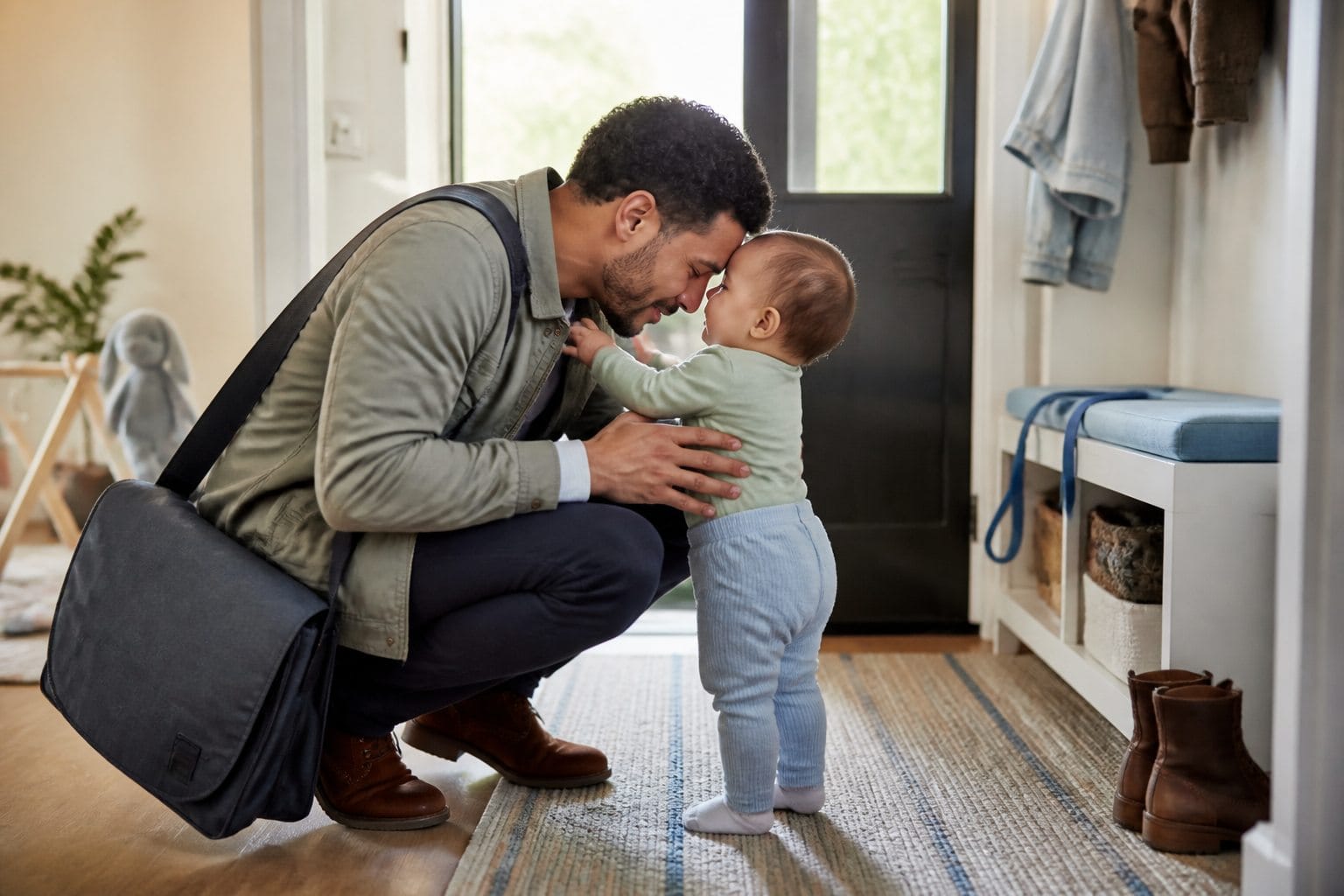
More fathers than ever are choosing to be the primary caregiver at home. Not because they have to. Because they want to. And society is finally catching up with what many of us already knew: a dad at home isn't a dad who's given up. He's a dad who's stepped up.
But let's be honest — the stigma hasn't fully gone. It's quieter now, more subtle, but it's still there. This article is for every dad who's made that choice, is thinking about it, or just wants to understand why this shift matters.
The Numbers Don't Lie: Stay-at-Home Dads Are Growing
According to the Office for National Statistics, the number of stay-at-home fathers in the UK has more than doubled over the past decade. In the US, Pew Research shows a similar upward trend — roughly 7% of fathers with children under 18 are now primary caregivers, up from 4% in 2000.
These aren't just statistics. They represent real dads making a conscious decision to prioritise presence over paycheques. Dads who've looked at the early years — the ones that fly by — and said, "I don't want to miss this."
Remote work, shifting cultural attitudes, and better parental leave policies have all made this more viable. But the real driver? Dads themselves are redefining what fatherhood looks like.
The Stigma Is Real — But It's Changing
Let's not pretend the judgment has vanished. Stay-at-home dads still face questions their female counterparts rarely get:
- "But what do you do all day?"
- "Isn't your wife the breadwinner then?"
- "Don't you miss having a career?"
These questions carry an assumption: that a man's worth is tied to his income. That staying home is somehow less than going to work. That nurturing is women's work.
In 2026, we know better. Research consistently shows that children with actively involved fathers have better emotional regulation, stronger social skills, and higher academic performance. The benefit isn't gendered — it's about presence.
If you're a dad feeling that subtle judgment, know this: your kids are watching everything you do. And what they see is a father who chose them.
Why Dads Choose to Stay Home
The reasons are as varied as the dads themselves, but some common themes emerge:
1. They Don't Want to Miss the Early Years
First words. First steps. The random Tuesday afternoon when your toddler tells you they love you for no reason. These moments don't wait. And many dads have decided they'd rather be there for them than hear about them secondhand.
2. It Makes Financial Sense
Childcare costs in the UK can exceed £1,000 per month per child. For families where mum earns more — or where the numbers simply don't add up — having dad stay home is a pragmatic, sensible choice. It's not a sacrifice. It's strategy.
3. They Want to Break the Cycle
Many stay-at-home dads grew up with absent or emotionally distant fathers. They're choosing a different path — not out of resentment, but out of intention. They want their kids to have what they didn't.
4. Remote Work Changed Everything
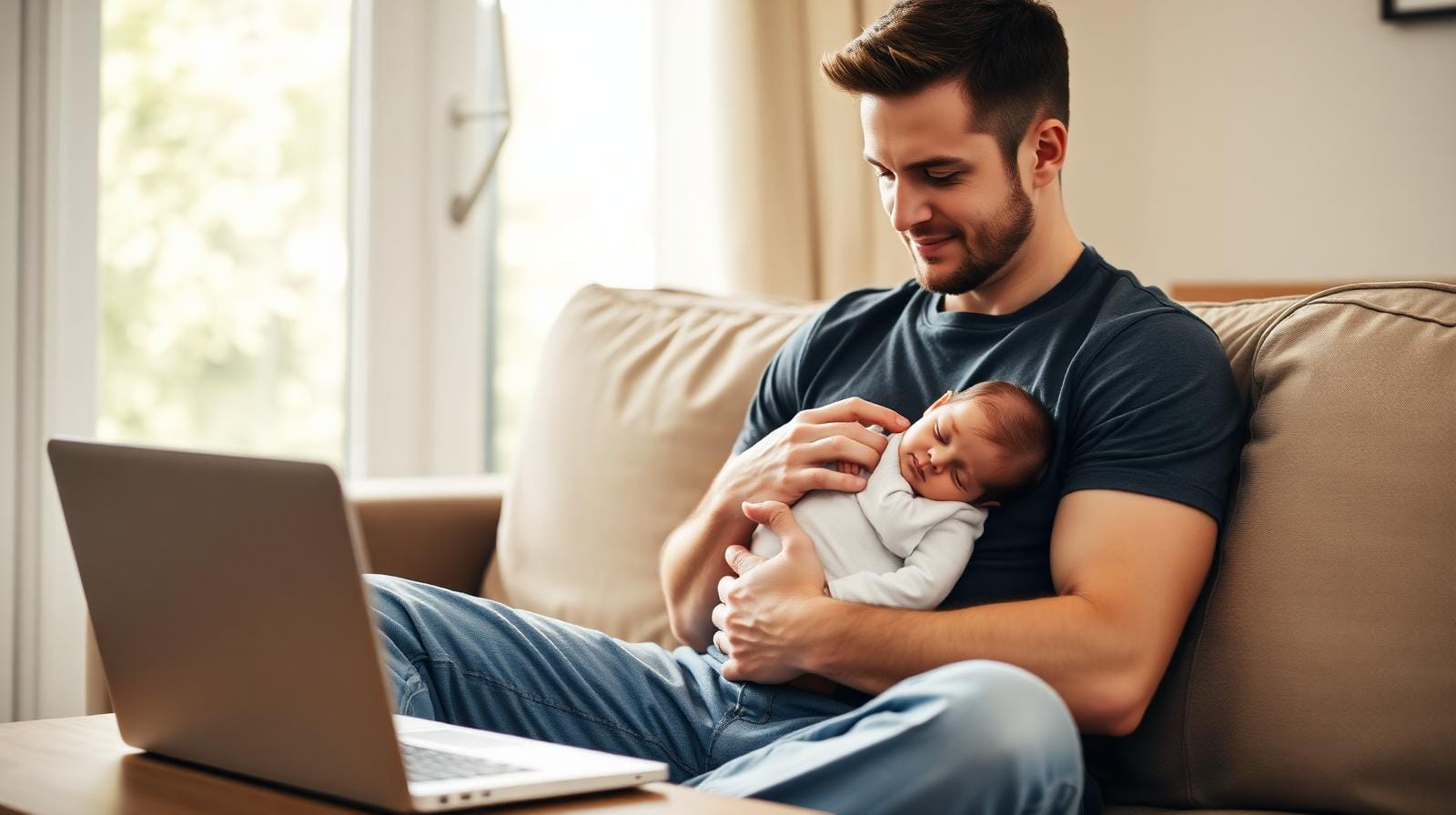
The post-pandemic shift to flexible working means some dads can blend part-time remote work with primary caregiving. It's not always easy, but it's possible in ways it simply wasn't a decade ago.
What Stay-at-Home Dads Actually Do All Day
For anyone who's ever asked that question sincerely (or not), here's a realistic snapshot:
- 6:30 AM — Wake up before the kids. Coffee is survival fuel.
- 7:00 AM — Breakfast, getting dressed, negotiating with a three-year-old about socks.
- 9:00 AM — School run or playgroup. Yes, you're often the only dad there.
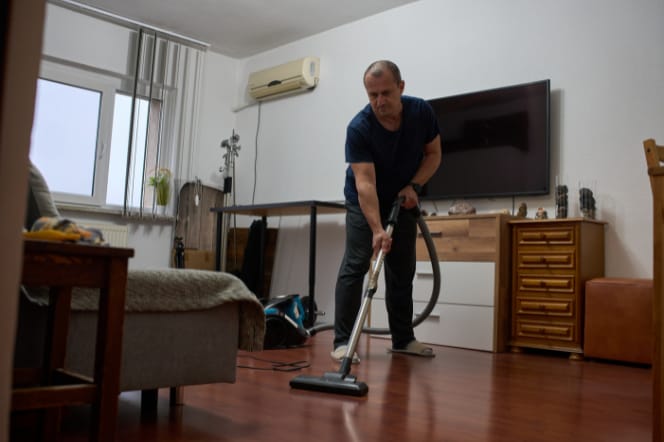
- 10:00 AM — Groceries, laundry, cleaning — the invisible labour that keeps a household running.
- 12:00 PM — Lunch. Mediating disputes about who gets the blue plate.
- 1:00 PM — Nap time (theirs, not yours — though you wish).
- 3:00 PM — Park, activities, homework help.
- 5:30 PM — Dinner prep. Bath time. Bedtime routine.
- 7:30 PM — Finally sit down. Wonder where the day went.
It's relentless. It's repetitive. And it's some of the most important work a person can do.