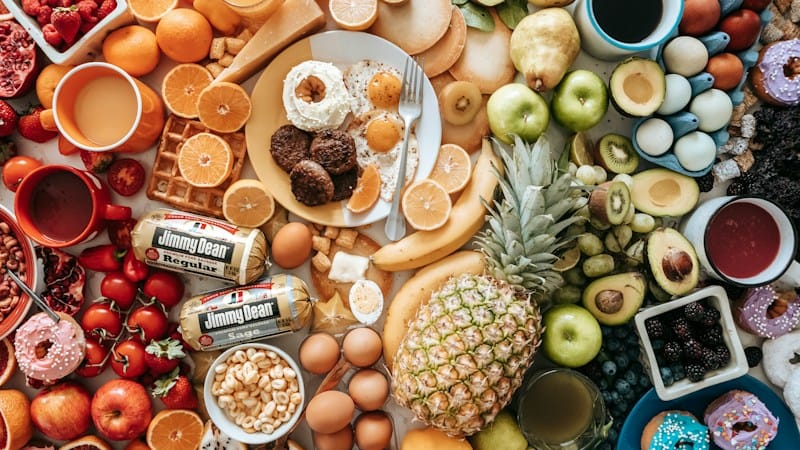
The best healthy meal is one your family can prepare safely, offer without pressure, and adapt to a child's age, allergies, culture, and preferences. These ten ideas are starting points—not a promise that every child will eat every dish.
Before You Cook: Key Takeaways
- Offer a familiar food alongside something new and let the child decide whether and how much to eat.
- Repeated, low-pressure exposure is more useful than forcing, bargaining, or using dessert as a reward.
- Adapt texture, shape, and portion size to the child's developmental stage.
- Check every ingredient for known allergies and cross-contamination warnings.
- Stay with young children while they eat; whole grapes, nuts, chunks of meat or cheese, spoonfuls of nut butter, and other hard or round foods can be choking hazards.
This is general family-food information, not individual nutrition or medical advice. Ask a paediatrician, GP, health visitor, or registered dietitian if growth, swallowing, allergies, or a very restricted diet concerns you.
The Mealtime Challenge Every Dad Knows
You spend 30 minutes cooking something nutritious. You plate it up with care. Your child takes one look and says, "I don't like it." They haven't even tried it. Welcome to mealtime with kids — a daily test of patience, creativity, and negotiation skills that no job interview ever prepared you for.
But here's what the NHS Eatwell Guide confirms: children need a balanced mix of proteins, carbohydrates, healthy fats, and plenty of fruit and vegetables. The trick isn't forcing them to eat — it's presenting healthy food in ways they'll actually want to eat.
These ten flexible ideas are designed for ordinary family kitchens. Use the suggestions that fit your child and expect preferences to change over time.
Why Kids Are Picky (It's Not Your Fault)
Before we dive into recipes, a quick reassurance: picky eating is developmentally normal. According to the American Academy of Pediatrics, most children go through phases of food refusal between ages 2 and 6. It's an evolutionary survival mechanism — wariness of unfamiliar foods. It doesn't mean you're failing.
The best strategy? Offer variety without pressure. Let them see you eating and enjoying the food. Involve them in preparation. And keep re-introducing foods — it can take 10–15 exposures before a child accepts a new taste.
1. Hidden Veggie Pasta Sauce
Blend roasted carrots, courgettes, red peppers, and tinned tomatoes into a smooth sauce. Kids who refuse vegetables will happily eat this over pasta. Add a pinch of sugar to balance the acidity — it's a tiny amount and makes a huge difference.
2. Chicken & Sweet Potato Nuggets
Blend chicken breast with cooked sweet potato, an egg, and breadcrumbs. Shape into nuggets and bake at 200°C for 20 minutes. Healthier than shop-bought, and you control the ingredients. Freeze a batch for busy weeknights.
3. Rainbow Wraps
Lay out tortillas with hummus, grated carrot, shredded chicken, cucumber sticks, and sweetcorn. Let kids build their own — the autonomy makes them more likely to eat it. The colours make it fun.
4. Mini Frittatas
Whisk eggs with milk, diced ham, peas, and cheese. Pour into a muffin tin and bake for 15 minutes. Portable, protein-rich, and perfect for lunchboxes. Make 12 on Sunday and they last the week.
5. Banana Oat Pancakes
Mash a ripe banana, mix with oats and an egg. Cook in a non-stick pan. Three ingredients, no added sugar, and kids love them. Perfect for a weekend bonding breakfast.